how fashion week in new york city got started
what was once an event for industry insiders now belongs to the masses
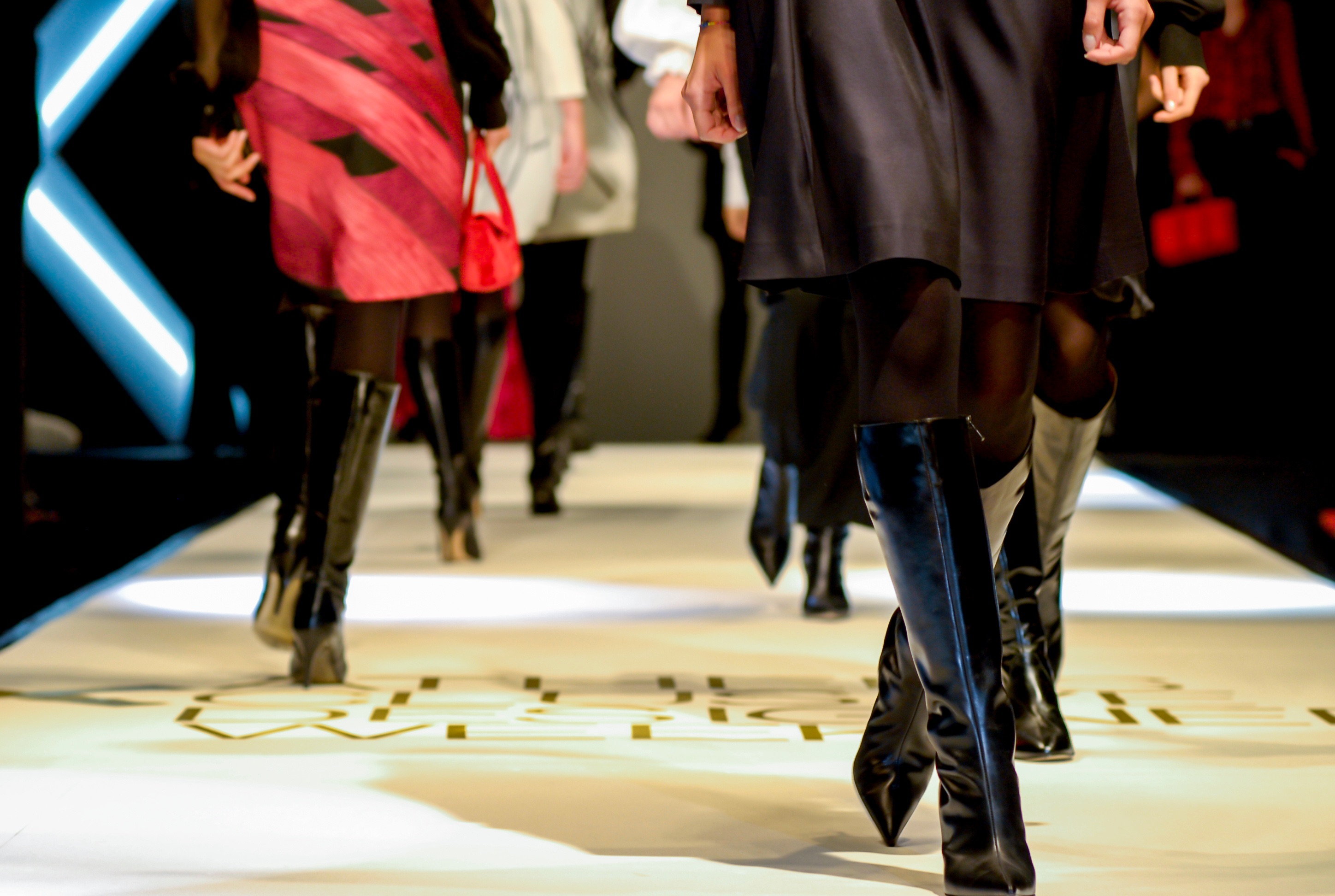

New York Fashion Week can be a bit chaotic. Okay, maybe more than a bit. The shows rarely start on time. Your seats are never where they’re supposed to be. And for the most part, everyone seems more concerned with the “scene” and “being seen” than the actual fashion.
But within that chaos, there is magic. An entire industry comes together to showcase the talents of designers, seamstresses, fabric manufacturers, show coordinators, photographers, models, stylists, videographers, makeup artists, journalists, and publicists. And if it weren’t for a particularly clever publicist, New York Fashion Week might not even exist.
Here’s how it all went down.
press week
Prior to the mid-20th century, the majority of American designers and their customers looked overseas for style inspiration, as the French couture houses in Paris dominated global fashion at the time. But when traveling to Europe became difficult during World War II, the American fashion industry was presented with an opportunity to carve out its own space.
In 1943, publicist Eleanor Lambert organized an event called “Press Week” in New York City. Her goal was to showcase American designers to fashion journalists who could no longer attend the Paris shows. It worked. After years of being centered around the French collections, fashion magazines started covering up-and-coming American designers.
In the following decades, Press Week would become a biannual event, attracting buyers, editors, and even celebrities to the runway shows. By the late 1970s and 80s, the productions became more theatrical, moving from small showrooms into lofts, nightclubs, and eventually larger venues.
7th on sixth
In the early 90s, designer Michael Kors staged a show in a loft space near his studio in Manhattan. Apparently, the music was thumping so intensely through the speakers that it caused the ceiling to collapse, raining dust and debris down on models and editors alike, including Vogue’s Anna Wintour. Luckily, there were no serious injuries.
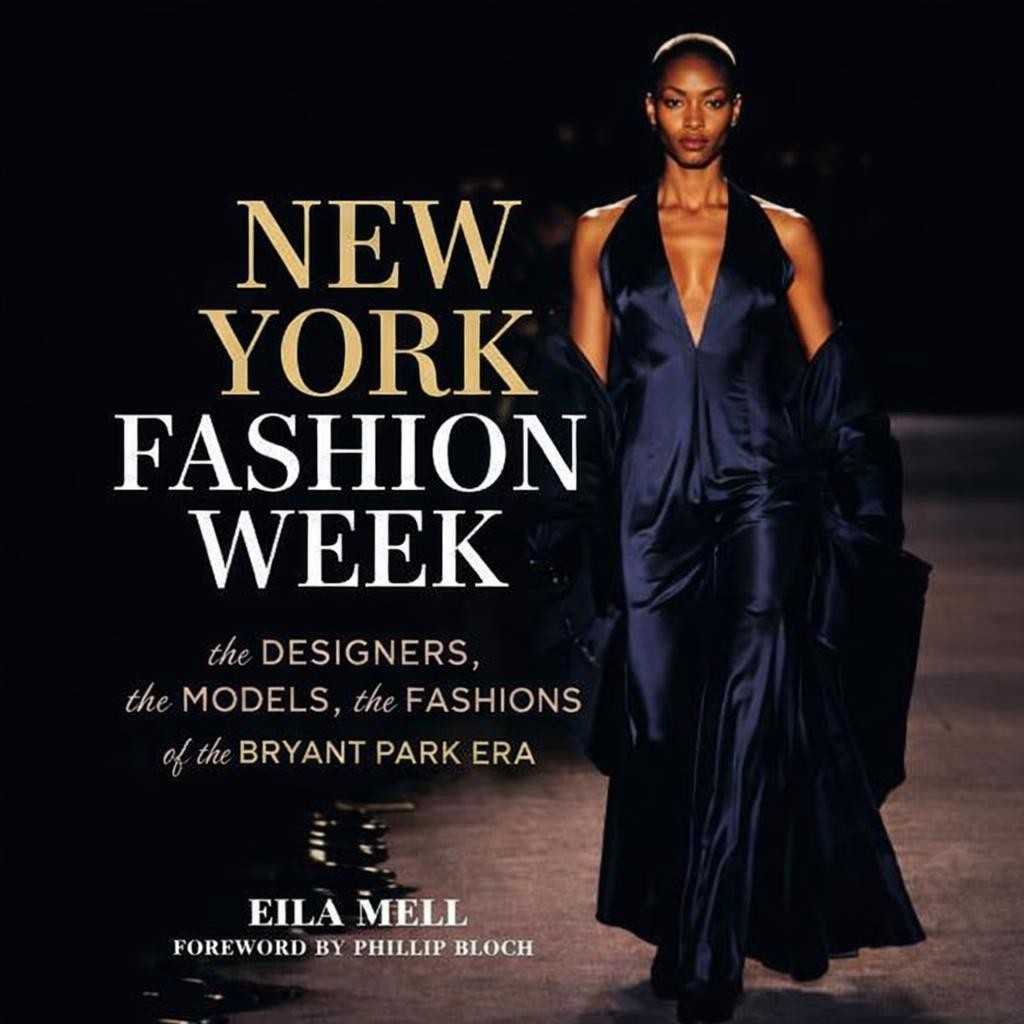
Fern Mallis, who was Director of the Council of Fashion Designers of America (CFDA), was also in the audience and immediately recognized the need for safety protocols. She expressed concerns over having so many different industry events spread across the city with few regulations. This led to the 1993 creation of a unified Press Week (which was re-named “7th on Sixth” ) and a consolidation of all the major shows into one central location…the “tents” in Bryant Park.
In February of 2001, the global talent organization IMG bought the rights to 7th on Sixth and renamed the event New York Fashion Week. Later that year, on September 11th – the first day of the Spring 2002 shows – two planes struck the World Trade Center in a terrorist attack, causing the rest of that fashion week to be canceled.
Check out “The Tents” fashion documentary on Amazon.
the digital democratization
New York Fashion Week remained in Bryant Park until it outgrew the space and relocated to Lincoln Center in 2010.
The growth of social media and live streaming throughout the decade helped democratize the fashion week experience, as the shows were now more accessible to the general public. It also amplified the reach of designers and models, transforming NYFW into a consumer-facing event in addition to a gathering of industry elites.
In 2015, the shows relocated yet again…this time to Spring Studios in Lower Manhattan. Since then, the fashion industry has come full circle. While the safety protocols are still in place, designers have dispersed from the central hub and presented their shows in some of the most iconic locations all over the city, including Bethesda Terrace in Central Park (Ralph Lauren), the new World Trade Center (Longchamp), New York Historical Society (Carolina Herrera), and the New York Public Library (Tory Burch).
the future – watch what happens
Today, New York Fashion Week coincides with Paris, Milan, and London as one of the “Big Four” global fashion weeks, shaping future trends and continuing Eleanor Lambert’s mission to spotlight the diverse creativity of American design.
With two major events held each year – fall collections are shown in February and spring in September – designers now work around the clock to create not only the clothes that keep them in business, but to also produce creative runway shows that, in turn, produce more customers.
While most of the big-name designer shows are invitation-only, there are presentations and pop-ups from up-and-coming designers and beauty brands that are free to attend or available through online ticket purchase.
But if you ask me, the best way to experience New York Fashion Week is to skip all the lines and the chaos and watch online at NYFW: The Shows. You can view the shows live as they’re happening or watch the recorded versions later.
And, best of all, you can watch from the comfort of your laptop in your (most stylish) pajamas!
*This story originally appeared in VINTAGE fashion magazine. Click below to view the issue.

books about new york fashion week
if you want to learn more